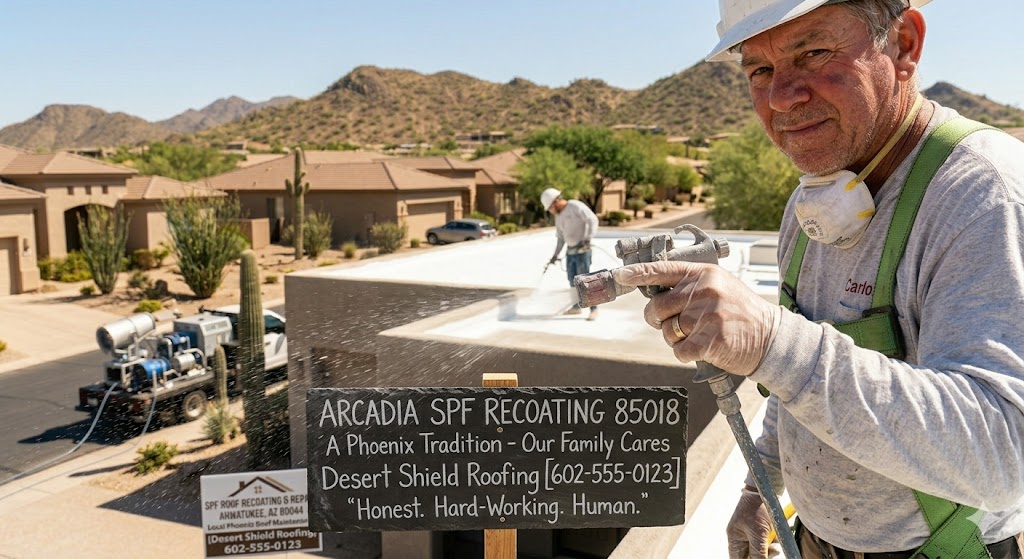
spf roof recoating phoenix
In Phoenix’s intense desert climate, where scorching summers and occasional monsoons take a toll on roofing materials, recoating a foam roof is essential for longevity and protection. Generally, you should plan to recoat your spray polyurethane foam (SPF) roof every 10 to 15 years, but this timeline can vary based on factors like UV exposure, maintenance, and environmental stressors. As experts in SPF roof recoating in Phoenix, we recommend regular inspections to determine the precise interval, ensuring your roof withstands the Valley of the Sun’s harsh conditions without premature failure.
Understanding Foam Roofs and Their Unique Needs in Phoenix
Spray polyurethane foam roofs, commonly known as SPF roofs, have become a popular choice for commercial and residential properties in Phoenix due to their energy-efficient insulation properties and seamless application. These roofs consist of a foam base coated with protective layers, typically acrylic or silicone, that shield against UV rays, heat, and water. However, Phoenix’s environment—characterized by over 300 sunny days a year, temperatures exceeding 110°F, and dust storms—accelerates wear and tear on these coatings.
The primary function of the coating is to prevent the foam from degrading under ultraviolet radiation, which can cause it to become brittle and crack over time. Without proper recoating, your SPF roof may lose its reflective properties, leading to higher energy bills and potential structural issues. In fact, studies from the Foam Roofing Contractors Association indicate that uncoated foam can degrade by up to 50% in just five years in high-UV areas like Arizona.
Factors Influencing Recoating Frequency
While the standard recoat interval is 10-15 years, several variables can shorten or extend this period. Here’s a breakdown of the key factors:
- Climate Exposure: Phoenix’s relentless sun is the biggest culprit. Roofs facing south or west endure more direct sunlight, potentially requiring recoating every 8-10 years. In contrast, shaded or north-facing roofs might last closer to 15 years.
- Initial Coating Quality: High-quality silicone coatings, which are more UV-resistant than acrylics, can extend the life between recoats. If your roof was installed with premium materials, you might push the interval to 12-15 years.
- Maintenance Practices: Regular cleaning and minor repairs play a huge role. Neglecting debris removal or ignoring small leaks can halve the coating’s lifespan.
- Building Location and Usage: Properties in high-wind areas or those with heavy foot traffic, like flat commercial roofs, wear faster. For instance, in bustling neighborhoods such as Arcadia, where dust and pollen are prevalent, more frequent inspections are advised.
- Age of the Roof: Older SPF roofs (over 20 years) may need more proactive recoating, even if the coating appears intact, to prevent underlying foam deterioration.
To illustrate, consider a table of estimated recoat intervals based on exposure levels:
| Exposure Level | Recommended Recoat Interval | Key Considerations |
|---|---|---|
| High (Direct Sun, Urban) | 8-10 years | Intense UV, pollution |
| Moderate (Partial Shade) | 10-12 years | Balanced protection |
| Low (Shaded, Maintained) | 12-15 years | Minimal stressors |
Signs It’s Time to Recoat Your Foam Roof
Don’t wait for major problems; early detection saves money and headaches. Watch for these indicators that your SPF roof’s coating is failing:
- Discoloration or Fading: The once-white or reflective surface turning gray or yellow signals UV breakdown.
- Cracking or Alligatoring: Fine cracks resembling alligator skin mean the coating is losing elasticity, common after 7-10 years in Phoenix heat.
- Ponding Water: If water doesn’t drain properly, it could indicate coating shrinkage or damage, leading to leaks.
- Increased Energy Costs: A degraded coating reduces reflectivity, causing your AC to work harder in summer.
- Visible Foam Exposure: If the underlying foam is peeking through, immediate action is needed to prevent further degradation.
In areas prone to wildlife, such as Maryvale, bird or animal activity can accelerate damage. For example, pecking or nesting can puncture the coating, necessitating bird and animal damage repair before recoating.
The Recoating Process: What to Expect
Recoating an SPF roof involves more than just slapping on a new layer; it’s a meticulous process to restore full functionality. First, professionals conduct a thorough inspection, including leak detection and repair if needed. Any damaged areas are patched, and the surface is cleaned to remove dirt, algae, or old granules.
Next, a primer is applied to ensure adhesion, followed by one or two coats of protective material. For enhanced durability in Phoenix, many opt for granule surfacing, which adds UV protection and improves aesthetics. The entire process typically takes 1-3 days, depending on roof size, and cures quickly under Arizona’s dry climate.
Post-recoating, your roof regains its ENERGY STAR-rated reflectivity, potentially lowering cooling costs by 10-20%. It’s also an opportune time to upgrade to cool roof technologies that meet local building codes.
Maintenance Tips to Extend Recoat Intervals
Proactive care can significantly prolong the time between recoats. Here are practical tips tailored to Phoenix homeowners and businesses:
- Annual Inspections: Schedule professional checks every spring before monsoon season to catch issues early.
- Gentle Cleaning: Use low-pressure washing with mild detergents twice a year to remove dust and pollen. Avoid harsh chemicals that can degrade coatings.
- Debris Management: Clear leaves, branches, and AC runoff regularly to prevent moisture buildup.
- Vegetation Control: Trim overhanging trees to reduce shade-related algae growth and pest access.
- Monitor for Pests: In urban areas, watch for birds or rodents that could damage the surface.
By following these, you could add 3-5 years to your recoat cycle. For instance, properties in less exposed areas like shaded lots in Arcadia benefit greatly from diligent maintenance.
Phoenix-Specific Insights on SPF Roof Longevity
Phoenix’s unique microclimates influence recoating needs. Downtown high-rises face more pollution and heat islands, shortening intervals to 8-10 years, while suburban homes in cooler pockets like north Phoenix might go longer. Monsoon rains, though infrequent, can cause rapid deterioration if coatings are compromised—hence the importance of waterproofing during recoats.
Local regulations, such as those from the City of Phoenix Building Safety Division, encourage reflective roofs to combat urban heat. Recoating aligns with these by restoring solar reflectance index (SRI) values above 78, qualifying for potential rebates through APS or SRP energy programs.
Moreover, with rising temperatures due to climate change, experts predict more frequent recoats in the coming decades. Investing in quality SPF recoating now future-proofs your property against escalating energy demands.
Cost Considerations and ROI of Recoating
Recoating costs in Phoenix range from $2-4 per square foot, far less than a full roof replacement at $8-12 per square foot. For a 5,000 sq ft roof, expect $10,000-20,000 versus $40,000-60,000 for replacement. The ROI is quick: energy savings alone can recoup costs in 5-7 years, plus extended roof life by 10+ years.
Compare this to ignoring recoating: A single leak repair can cost $5,000+, and full failures lead to interior damage in the tens of thousands. In high-value areas like Maryvale, maintaining roof integrity preserves property value.
Choosing the Right Professionals for Recoating
Select certified contractors experienced in SPF systems, as improper application can void warranties. Look for SPRI certification and local references. In Phoenix, reputable firms offer warranties of 10-20 years on recoats, providing peace of mind against the elements.
During consultations, discuss your roof’s history and exposure to tailor the recoat schedule. This personalized approach ensures optimal performance in our demanding climate.
Leave a Reply